

Healthcare App Development: Step-by-Step Guide to Build a Successful App in 2026
Discover essential best practices for healthcare app development to ensure compliance, user engagement, and effective solutions. Read the full guide now!

The healthcare industry is rapidly launching digital solutions, making healthcare app development a critical tool for patients, providers, professionals, and organizations worldwide. From telemedicine platforms to remote patient monitoring systems, healthcare apps help streamline processes, improve patient engagement, and enhance overall patient outcomes. As a result, more than half of the citizens in different countries are health app users.
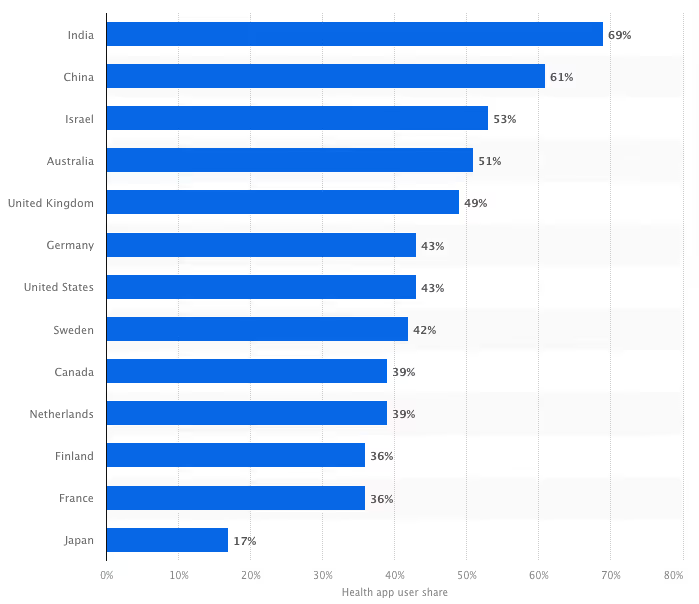
In 2025, with advances in AI, wearable devices, and electronic health records (EHR), building a custom healthcare software development requires not only technical expertise but also compliance with regulatory standards such as HIPAA, GDPR, and FHIR. Empat has considerable experience in delivering custom healthcare software development services that prioritize security, usability, and patient-centered design.
What is healthcare app development?
Healthcare app development refers to the process of designing, building, and maintaining medical apps and digital health solutions for patients, providers, and healthcare organizations. These apps serve multiple purposes: enabling telehealth consultations, managing electronic health records, supporting remote patient monitoring, and enhancing communication between healthcare professionals and patients.
A critical aspect of healthcare app development is regulatory compliance. All solutions must adhere to standards such as HIPAA in the U.S., GDPR in the EU, and HL7/FHIR interoperability frameworks to ensure data security and privacy. Additionally, healthcare apps must prioritize usability and accessibility to meet the needs of diverse patient populations and busy medical staff.
Common types of healthcare apps
Healthcare apps come in many forms, depending on the needs of healthcare providers and patients. Here are the most common categories:
- Telemedicine / Telehealth Apps
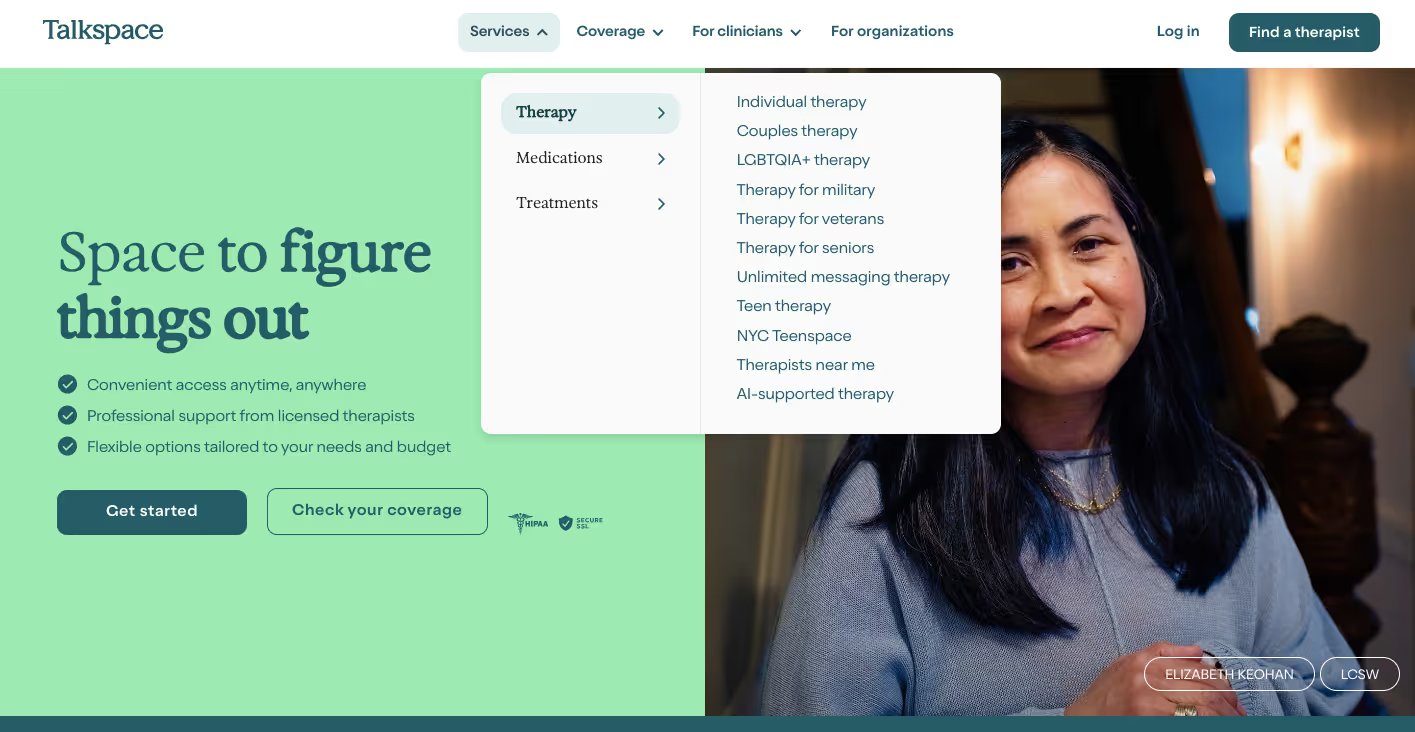
Platforms like Talkspace and Teladoc connect patients with doctors remotely, allowing for video consultations, secure messaging, and appointment scheduling. Telemedicine apps improve access to care and reduce in-person visits for routine consultations.
- Remote Patient Monitoring (RPM)
RPM apps track patient vitals, chronic condition metrics, and lifestyle data through wearables and sensors. These apps enhance patient engagement and allow healthcare professionals to intervene proactively, improving patient outcomes. - EHR / EMR Portals
Apps like MyChart provide patients and providers with access to electronic health records, appointment histories, lab results, and medication details. Seamless integration with existing healthcare systems is key to maintaining continuity of care. - Mental Health / Therapy Apps
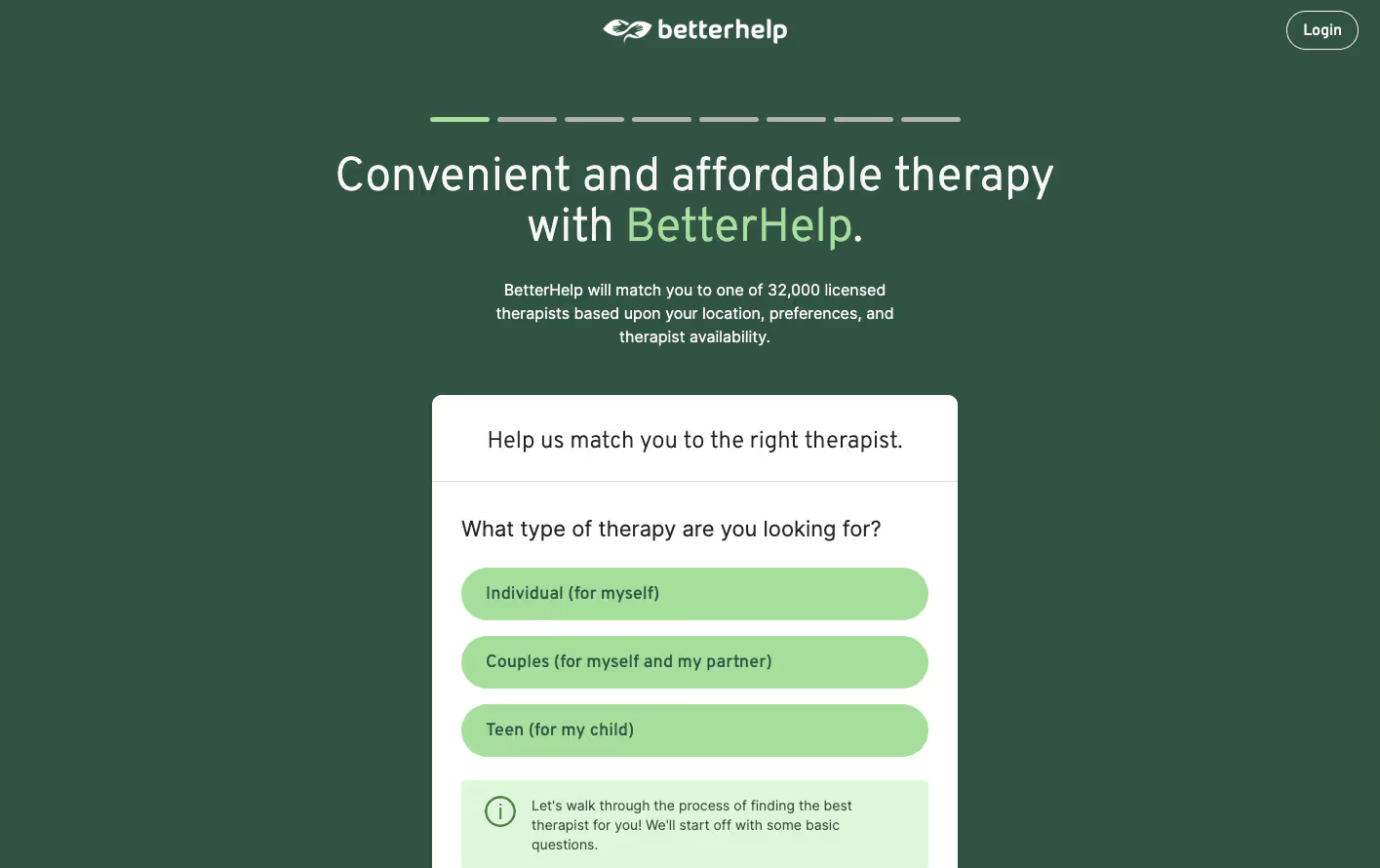
Digital mental health platforms offer therapy sessions, mood tracking, and cognitive behavioral tools. Apps such as Talkspace or BetterHelp allow patients to access professional support conveniently.
- Medication & Adherence Trackers
These apps remind patients to take medications, track dosage, and alert providers if adherence is low. Integration with patient data helps clinicians monitor treatment efficacy. - Fitness / Wellness Apps
Wellness apps sync with wearables to track activity, sleep, nutrition, and stress levels. While not strictly clinical, they contribute to preventive care and healthy lifestyle management. - Hospital / Staff Management Tools
Healthcare organizations leverage mobile apps to manage schedules, staff assignments, operational efficiency, and internal communications. These tools are essential for improving workflow and reducing administrative burden.
Each type of healthcare app addresses different challenges and goals. A well-designed app focuses not just on functionality but also on enhancing patient care, ensuring data security, and meeting the expectations of healthcare providers.
Healthcare app development process: step-by-step guide
Building a healthcare mobile app is a complex, although rewarding, challenge. Following a structured app development process ensures that the end product is secure, compliant, and highly usable for both patients and healthcare professionals. Here’s a detailed step-by-step guide to develop a healthcare app successfully.
Step 1 — Discovery & compliance planning
The first stage of healthcare app development involves defining project goals, identifying stakeholders, and planning for compliance with relevant healthcare regulations. Key considerations include HIPAA (U.S.), GDPR (EU), and HL7/FHIR standards for seamless data exchange.
Actionable Insight: Involving legal and compliance experts from day one helps prevent costly mistakes during development. Companies like Empat integrate compliance from the outset, ensuring your app is secure and market-ready.
Read how to find a web developer for your medical app development project.
Step 2 — UX research & prototyping
User experience, informed by thorough market research, is critical for patient engagement. This step includes research on two main user groups: patients and healthcare providers. Key tasks include:
- Mapping user journeys for both patients and staff
- Testing accessibility for older users and patients with disabilities
- Creating low- and high-fidelity prototypes
Actionable Insight: Empat emphasizes inclusive design, making healthcare app ideas intuitive for diverse target users, improving adoption and patient satisfaction.
Step 3 — Architecture & security design
Security is non-negotiable in medical app development. Developers must plan architecture with role-based access control (RBAC), audit logs, encryption, and cloud solutions (AWS, Azure).
Actionable Insight: Empat applies a “privacy by design” mindset, ensuring that sensitive patient data, medical records, and protected health information remain secure while enabling scalable solutions.
Step 4 — UI/UX design
The UI/UX phase focuses on creating an intuitive, empathetic interface that supports both patients and healthcare professionals. Key principles:
- Clear onboarding for patients and providers
- Compliance with accessibility standards (WCAG)
- Visual clarity and actionable dashboards
Actionable Insight: Empat leverages user feedback to refine the interface, increasing patient engagement and operational efficiency for healthcare organizations. Along with the custom app development, you may also hire graphic designers from Empat.
Step 5 — Development & integrations
At this stage, the app development team builds the solution using the appropriate tech stack:
- Native development or cross-platform frameworks like Flutter and React Native
- Integration with electronic health records (EHR) via FHIR APIs
- Connectivity with wearable devices for remote patient monitoring
- Payment gateways and analytics for streamlined healthcare services
Actionable Insight: Empat ensures that apps integrate seamlessly with existing healthcare systems, enabling real-time monitoring and improving health outcomes.
Step 6 — QA & clinical safety testing
Testing in customized healthcare apps goes beyond functional QA:
- Ensuring diagnostic accuracy for clinical tools
- Accessibility testing for all users
- Compatibility with multiple devices and operating systems
- Data security audits
Actionable Insight: Beta testing with patients and clinicians allows Empat to refine mobile healthcare apps, guaranteeing reliable, safe, and compliant solutions.
Step 7 — MVP launch & feedback loop
Launching a Minimum Viable Product (MVP) allows startups and healthcare organizations to test core features without overcommitting resources. Key actions include:
- Defining MVP scope and success metrics
- Collecting user feedback to guide iterative improvements
- Tracking engagement and adoption
Actionable Insight: Empat emphasizes iterative development, ensuring the final product evolves based on real-world usage and continues to improve patient outcomes.
Step 8 — Continuous monitoring & maintenance
After launch, continuous maintenance is essential to ensure the app remains compliant, secure, and relevant. This includes:
- Rolling out updates for new compliance regulations
- Adding features based on user feedback
- Performance optimization for scalability
- Routine security patches
Actionable Insight: Developing healthcare apps and web applications, Empat helps business outsource web development, ensuring apps grow with your organization’s needs.
Benefits of a structured healthcare app development process
A structured approach to healthcare mobile and web app development helps organizations:
- Reduce development costs by preventing rework
- Maintain high standards of regulatory compliance
- Deliver solutions that enhance patient care
- Increase adoption by healthcare professionals and patients
- Enable integration with existing healthcare systems for seamless data flow
By following these steps, organizations can build successful healthcare apps that not only meet technical requirements but also deliver measurable benefits for patient care and operational efficiency.
Compliance & privacy (non-negotiables)
In healthcare app development, compliance is the foundation of every successful project. Healthcare applications handle sensitive patient data, including medical records and protected health information (PHI). Ensuring regulatory compliance is not optional—it’s critical for trust, security, and legal operation.
HIPAA (U.S.)
The Health Insurance Portability and Accountability Act (HIPAA) defines how protected health information must be handled in the United States. It applies to healthcare providers, insurance companies, and healthcare app developers who manage patient data.
To comply with HIPAA, your healthcare mobile app must:
- Encrypt all PHI during both storage and transmission to prevent unauthorized access.
- Implement strict access controls using authentication, audit trails, and role-based permissions (RBAC).
- Sign Business Associate Agreements (BAAs) with all vendors and third-party service providers who may handle patient information.
- Conduct regular risk assessments to identify vulnerabilities and document mitigation efforts.
Failing to meet HIPAA standards can result in fines ranging from $100 to $50,000 per violation, and up to $1.5 million annually for repeated breaches — not to mention severe brand damage.
Empat’s approach: From day one, Empat’s development team embeds HIPAA compliance into the architecture, ensuring encryption, secure APIs, and controlled data access across every healthcare mobile application we build. If you need to hire remote developers, our experts can seamlessly integrate into your project, bringing deep healthcare domain expertise and strong technical skills.
GDPR (EU)
The General Data Protection Regulation (GDPR) governs how personal data is collected, processed, and stored for EU residents. For healthcare apps, this means even stricter scrutiny over patient data management and consent.
Key GDPR principles relevant to healthcare app development include:
- Explicit consent: Patients must actively agree before their data is collected or processed.
- Data portability: Users have the right to request a copy of their data or transfer it to another provider.
- Right to be forgotten: Patients can request deletion of their health records when appropriate.
- Data minimization: Only the data required for core functionality should be collected.
If your app serves patients in Europe or stores electronic medical records from EU residents, GDPR compliance is non-negotiable.
Empat’s advantage: As an experienced healthcare app development company, Empat designs apps with clear consent flows, data retention policies, and secure storage mechanisms — ensuring compliance even in cross-border data operations.
HL7/FHIR Standards
While HIPAA and GDPR govern data protection and privacy, HL7 and FHIR (Fast Healthcare Interoperability Resources) focus on how healthcare systems communicate. In modern healthcare app development, interoperability is essential to ensure that apps can seamlessly exchange information with existing healthcare systems such as hospital databases, EHR platforms, and insurance networks.
The HL7 framework sets the rules for transferring health data between medical systems, while FHIR provides a modern standard based on RESTful APIs, making it easier to connect mobile health apps, wearables, and medical devices.
A FHIR-compliant app enables:
- Seamless data exchange between hospitals, labs, and external systems.
- Improved diagnostic accuracy through access to unified patient records.
- Operational efficiency by reducing administrative errors and data silos.
- Faster onboarding of third-party integrations (like wearables or billing software).
At Empat, our healthcare app developers build with interoperability in mind. From remote patient monitoring tools to full-stack development, every project is designed to communicate effortlessly with medical systems while ensuring that healthcare data remains encrypted and private.
Compliance checklist for healthcare app development
To simplify the complex regulatory landscape, here’s a quick checklist of the must-have elements for a compliant healthcare app:
| Compliance Requirement | Purpose | Implementation Example |
|---|---|---|
| HIPAA Encryption | Protect PHI during storage and transmission | AES-256 encryption for databases and SSL/TLS for communications |
| Access Controls | Limit access based on user role | Role-based permissions for patients, doctors, and admins |
| Data Backup & Recovery | Maintain data integrity | Encrypted cloud backups with version control |
| Audit Logs | Track data changes and access | Automated event logging |
| Consent Management | Meet GDPR standards | Pop-up consent forms and clear data use disclosures |
| FHIR Integration | Ensure interoperability | API connections with EHR systems |
| Regular Security Testing | Identify vulnerabilities | Penetration testing and code audits |
| Third-Party Compliance | Manage vendor risks | Signed BAAs and compliance documentation |
By following this checklist, startups and established healthcare organizations can ensure that their apps meet the highest standards for data security, regulatory compliance, and user trust.
Must-Have features for a healthcare app
The functionality of a healthcare app largely depends on whether it serves patients, providers, or administrators. A custom healthcare app development approach ensures that every feature aligns with specific user needs, compliance requirements, and the goals of the healthcare solutions for the organization.
For Patients
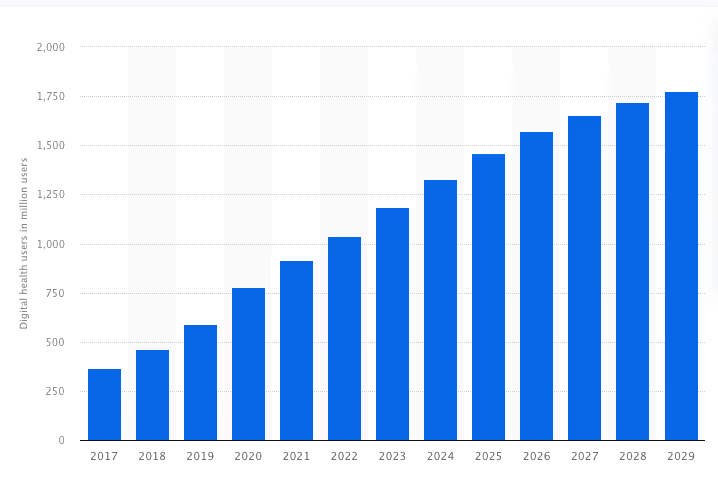
Considering the continuous growth in the number of digital health users, reaching 1,462.7 million patients in 2025, they remain one of the most important stakeholders whose needs must be prioritized.
A well-designed healthcare app empowers patients to take control of their health, access care conveniently, and stay connected with their medical team.
Key features include:
- Sign-up & secure login: Simple onboarding with multi-factor authentication to ensure privacy and HIPAA compliance.
- Teleconsultations & chat with providers: Video calls and secure messaging allow patients to get medical advice without visiting a clinic.
- E-Prescriptions & medication reminders: Automated prescription management helps users stay on track with their treatment plans.
- Integration with wearables: Real-time tracking of vitals such as heart rate, oxygen levels, and sleep patterns for remote patient monitoring.
- Payment gateways: Fast and secure billing options for consultations, tests, and services.
- Personalized insights powered by AI: Health recommendations, trend analysis, and preventive care suggestions based on user data.
For providers and admins
Healthcare professionals and administrators need tools that simplify workflows, enhance communication, and ensure accurate data management. Essential features include:
- EHR / EMR dashboards: Centralized management of patient histories, test results, and medical notes.
- Appointment scheduling & staff management: Efficient coordination of doctors, nurses, and patient visits to reduce wait times.
- Billing & analytics tools: Automated billing, insurance claims, and data-driven insights for better operational decisions.
- Secure messaging: Encrypted communication channels for collaboration within the care team and with patients.
- Integration with medical devices & systems: Seamless connection with diagnostic tools and hospital systems to ensure accuracy and data consistency.
By blending essential functionality with real-world feedback, healthcare apps not only improve patient engagement but also streamline internal operations. The result is a smarter, more responsive healthcare ecosystem that benefits both patients and providers.
Tech stack & integrations
Choosing the right technology stack is one of the most critical steps, when hiring mobile app developers. The selected tools and frameworks must ensure scalability, security, regulatory compliance, and smooth integration with other healthcare systems. A well-chosen stack also allows your app to evolve with new market demands and patient expectations.
Common technology choices
- Frontend: React Native or Flutter for building high-performance cross-platform mobile applications that deliver a consistent experience on both iOS and Android.
- Backend: Node.js, Python (Django, Flask), or Java (Spring Boot) to enable fast, secure, and scalable app performance.
- Cloud: AWS, Azure, or Google Cloud Platform for reliable hosting and secure storage of sensitive patient data in compliance with HIPAA and GDPR standards.
- Database: MongoDB or PostgreSQL for managing structured and unstructured medical records, ensuring quick access to patient information and analytics.
Key integrations
- EHR / FHIR APIs: To connect with electronic health records and maintain interoperability across healthcare providers.
- Payment Gateways: Stripe, PayPal, or other compliant solutions to handle billing, co-payments, and subscription models securely.
- Communication Tools: Twilio and Zoom enable telemedicine, video consultations, and secure in-app messaging.
- Health Tracking: Integration with Google Fit and Apple Health allows continuous monitoring of patient vitals and activity data.
- Analytics & Reporting: Built-in tools or external integrations help track user engagement, measure patient outcomes, and optimize app performance.
Empat ensures seamless integration between modern technologies and existing legacy systems. This approach not only enhances performance and user experience but also guarantees data protection, interoperability, and long-term scalability for any healthcare solution.
Trends in healthcare app features
- AI-Powered insights: Provide predictive analytics for patient care
- Personalization: Tailored recommendations based on healthcare data
- Remote Monitoring: Facilitates proactive interventions and improved patient outcomes
- Telemedicine Integration: Expands access to care for remote populations
- Regulatory Automation: Ensures compliance is continuously monitored and updated
Actionable Insight: Incorporating these features positions your app as a successful healthcare app, helping healthcare organizations stay competitive in the growing global digital health market.
Healthcare app development costs & timelines
Understanding app development costs is essential when hiring developers for startups and healthcare organizations planning to develop a healthcare app. Costs vary depending on complexity, integrations, compliance requirements, and development team location.
| App Type | Cost Range | Timeline |
|---|---|---|
| MVP | $55k–$120k | 4–6 months |
| Mid-Range | $120k–$260k | 6–9 months |
| Enterprise | $260k–$380k+ | 9–12 months |
Figures are based on industry averages and project complexity.
Factors influencing healthcare app development cost include:
- Complexity & Features: Telemedicine, RPM, EHR integration, AI analytics
- Compliance & Security: HIPAA/GDPR implementation, encryption, audit logs
- Tech Stack & Integrations: Wearable devices, payment gateways, cloud infrastructure
- Development Team: Size, expertise, and experience in healthcare mobile app development
Actionable Insight: Partnering with an experienced healthcare app development company like Empat ensures cost-efficient solutions without compromising on quality, security, or compliance.
Real-world examples & best practices
Successful healthcare apps demonstrate that great design goes beyond functionality — it’s about balancing usability, compliance, and patient engagement. These apps not only meet regulatory standards but also deliver intuitive, data-driven experiences that improve patient outcomes and operational efficiency.
MyChart
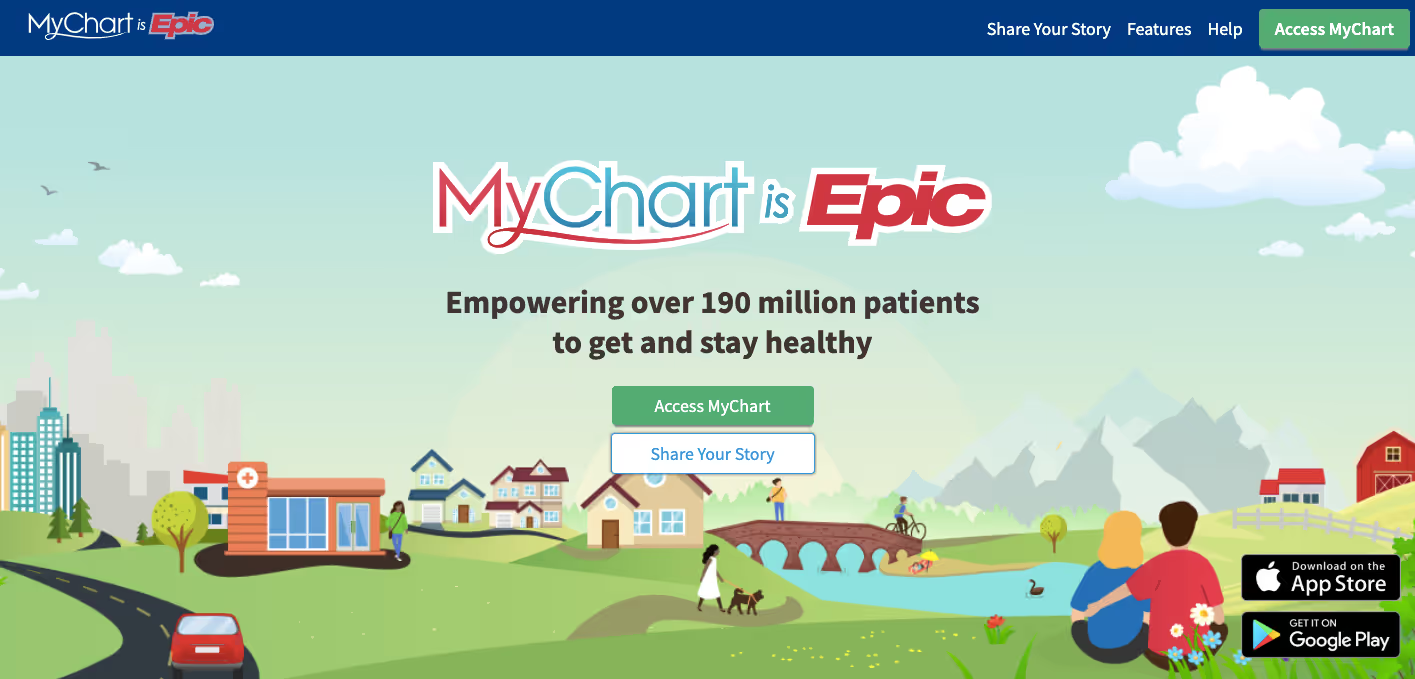
A leading example of a patient-centered healthcare app, MyChart enables seamless access to electronic health records, test results, and appointment scheduling. Its success lies in a user-friendly interface and secure data exchange, ensuring both accessibility and compliance.
GoodRx
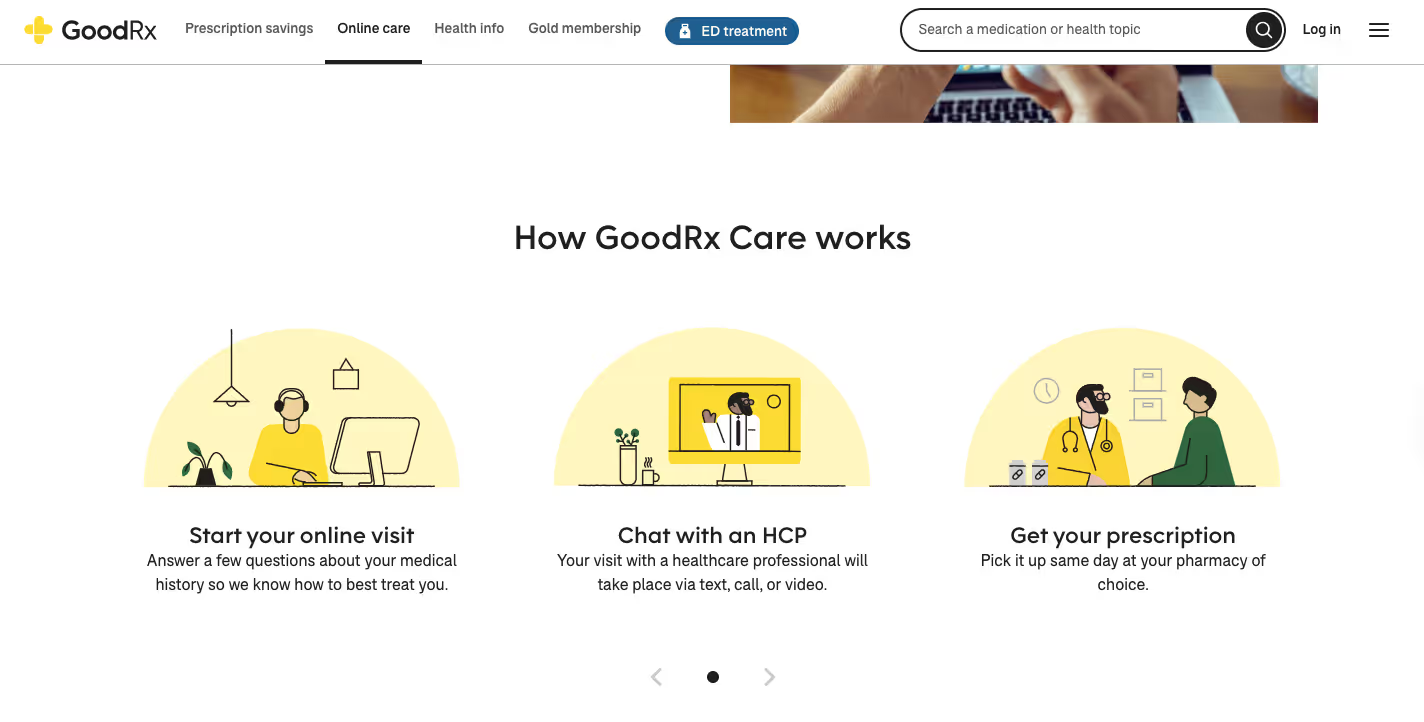
Focused on affordability and accessibility, GoodRx allows patients to compare prescription prices and access coupons at nearby pharmacies. Its key advantage is seamless integration with pharmacy data, which enhances transparency and supports better medication adherence.
Fitbit
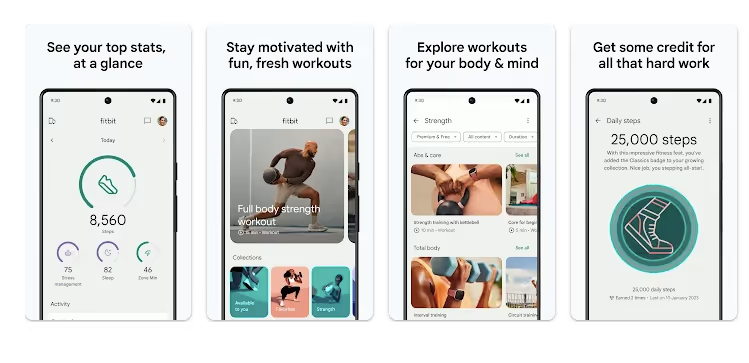
A pioneer in wearable-driven wellness, Fitbit helps users monitor physical activity, sleep, and heart rate. By offering personalized insights based on user data, it successfully motivates lifestyle changes and contributes to improved patient outcomes.
Empat’s approach: transforming healthcare through technology
Empat’s healthcare app development services apply these same principles — usability, security, and innovation — while tailoring every solution to the unique goals of healthcare organizations and their target audience. We already have many success stories in the healthcare app development.
HealUA
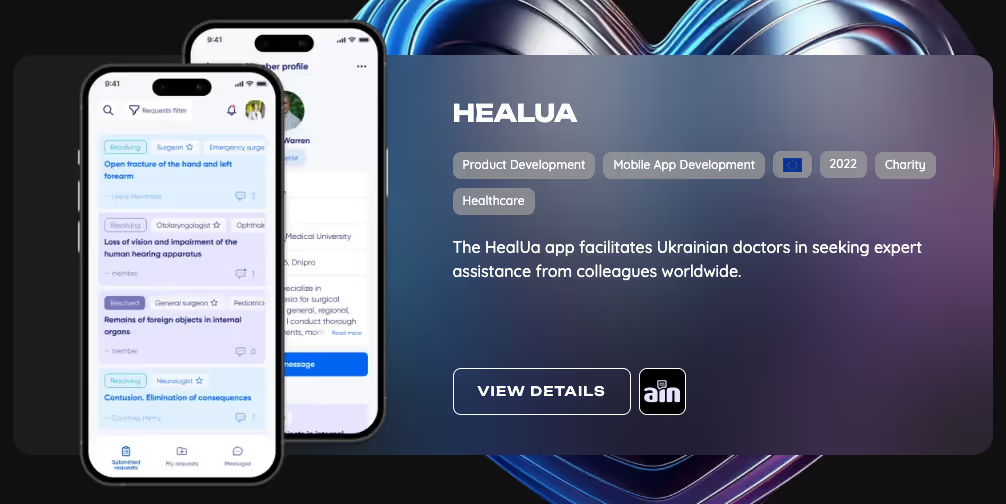
HealUA exemplifies custom healthcare app development by Empat with a focus on accessibility. The platform enables patients to connect with doctors remotely, supporting teleconsultations, e-prescriptions, and digital diagnostics. Designed during the wartime crisis in Ukraine, it showcases how remote patient monitoring and secure data exchange can deliver quality care even under extreme conditions.
Dental Care
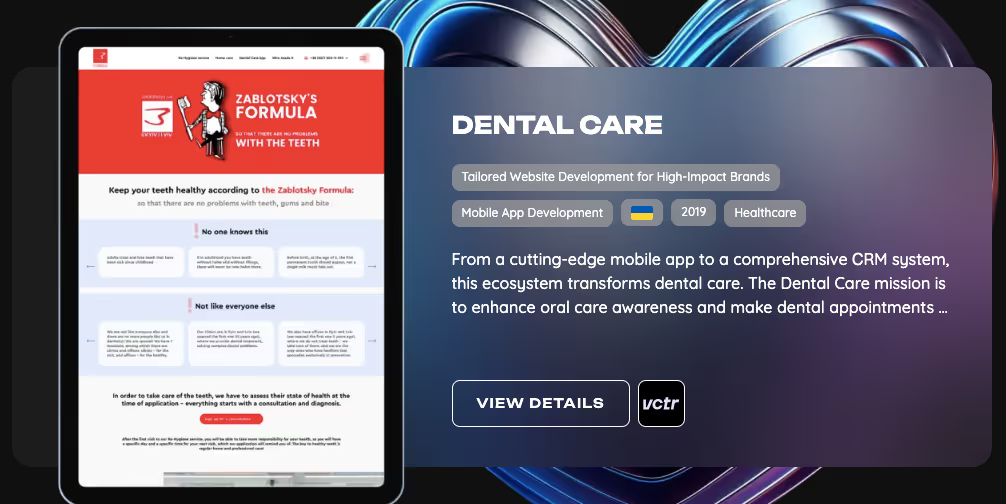
Dental Care is a healthcare mobile app that streamlines clinic operations and enhances patient engagement. It includes features for online booking, digital medical records, and reminders, enabling dental clinics to automate workflows while maintaining personalized communication with patients. The integration with existing healthcare systems and intuitive UX ensures smooth adoption by both patients and providers.
Dr. Alexa
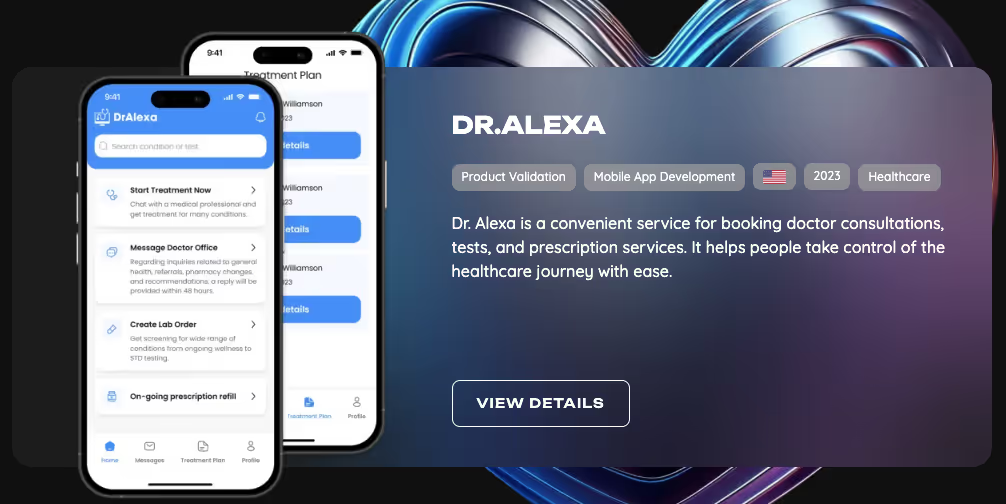
Dr. Alexa demonstrates the power of AI in healthcare app development by . The app offers personalized health insights, symptom tracking, and predictive analytics that help users better understand and manage their well-being. Its success lies in combining AI-driven data analysis with HIPAA-compliant privacy measures to ensure secure and intelligent patient support.
VitalAI
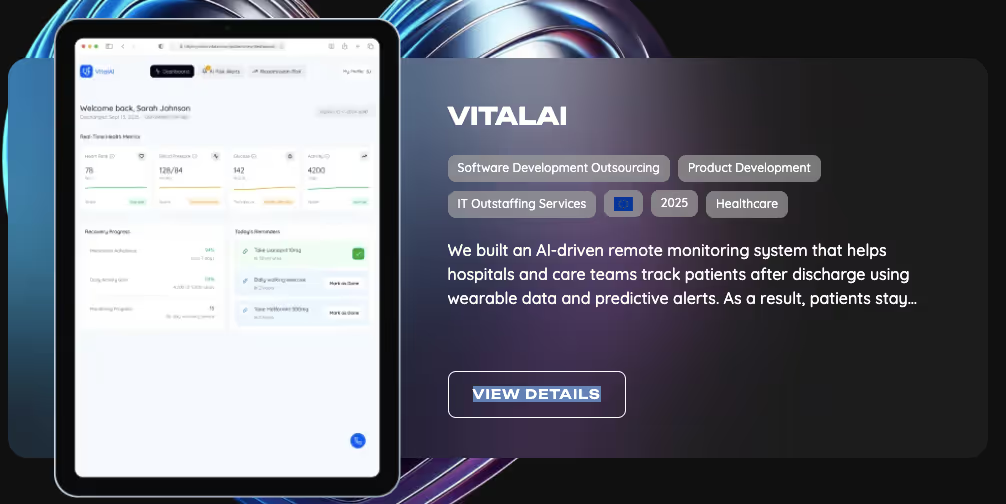
VitalAI focuses on remote patient monitoring through real-time wearable data and AI-powered analytics. The platform helps healthcare professionals track patient vitals, detect early warning signs, and make data-informed decisions. By integrating FHIR standards and enabling seamless data exchange with hospital systems, VitalAI enhances diagnostic accuracy and improves operational efficiency for healthcare providers.
Why partner with Empat?
Partnering with Empat offers a clear advantage for custom healthcare app development:
- Compliance-by-design approach: Every project starts with regulatory and security planning, ensuring apps meet HIPAA, GDPR, and FHIR standards.
- End-to-end delivery: Empat provides full development services from discovery, prototyping, and UI/UX design to deployment and long-term maintenance.
- Proven case highlights: Projects like VitalAI and Dr. Alexa demonstrate Empat’s ability to deliver successful healthcare apps, provide fintech software development services and outsource software development for startups and established healthcare organizations.
- Scalable & custom solutions: Empat’s development team tailors apps to each client’s needs, ensuring operational efficiency, patient engagement, and secure data handling.
Ready to build your healthcare app? Contact Empat today to discuss your project and get a precise estimate.
FAQ
What is healthcare app development?
It’s the process of designing, building, and maintaining healthcare mobile apps that serve patients, providers, and healthcare organizations while adhering to regulatory standards.
How do you ensure HIPAA/GDPR compliance?
Compliance is embedded in every stage of development. Empat’s team implements encryption, secure storage, audit logs, consent management, and seamless integration with existing healthcare systems.
What features should a healthcare app include?
Key features include teleconsultations, EHR access, medication tracking, patient reminders, wearable integration, scheduling, billing, analytics dashboards, and AI-driven personalization.
How much does it cost to build a healthcare app?
Depending on complexity and features, the app development cost ranges from $55k–$380k+, with timelines from 4–12 months. Partnering with Empat ensures cost-effective, compliant, and scalable solutions.


