
Remote Patient Monitoring Software: How RPM Systems Are Built
RPM looks simple until you build one. This guide covers the six layers of an RPM system, the three failure modes that kill programmes, where the regulatory boundary sits after the FDA's January 2026 update, and what a real build costs.

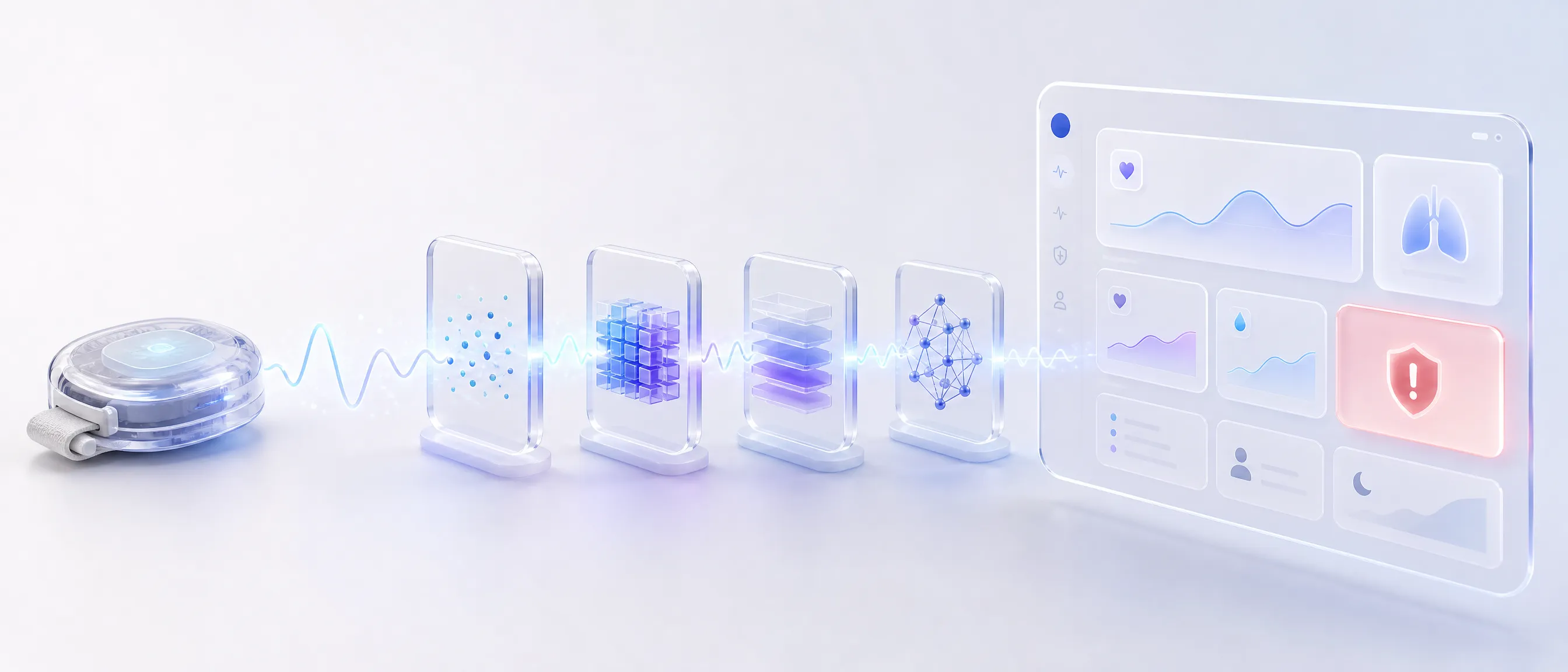
Remote patient monitoring looks simple from the outside: a device takes a reading, the reading reaches a clinician, someone acts on it. Every hard part of building one hides inside the word “reaches”.
Devices disconnect. Readings arrive out of order, or twice, or not at all. Thresholds that looked sensible in a spec generate forty alerts a day and clinicians stop reading them. And the data has to land somewhere a clinician already works, or it changes nothing.
This is a guide to what an RPM system is actually made of, where these builds go wrong, where the regulatory line sits after the FDA’s January 2026 update, and what it costs to build one properly.
What is remote patient monitoring?
Remote patient monitoring is the use of connected devices to collect health data from a patient outside a clinical setting and transmit it to their care team for review. Typical readings are blood pressure, glucose, weight, pulse oximetry and heart rhythm. The point is not the device — it is getting a signal to a clinician early enough to change what happens next.
Two terms get used interchangeably with it and should not be. Telehealth is the broad category of care delivered at a distance. Telemedicine usually means a live consultation. RPM is neither: it is asynchronous, continuous, and mostly unattended.
What an RPM system is actually made of
Six layers, and the model most teams underestimate is that only the first is about devices. The rest is ordinary software engineering done carefully, under clinical stakes.
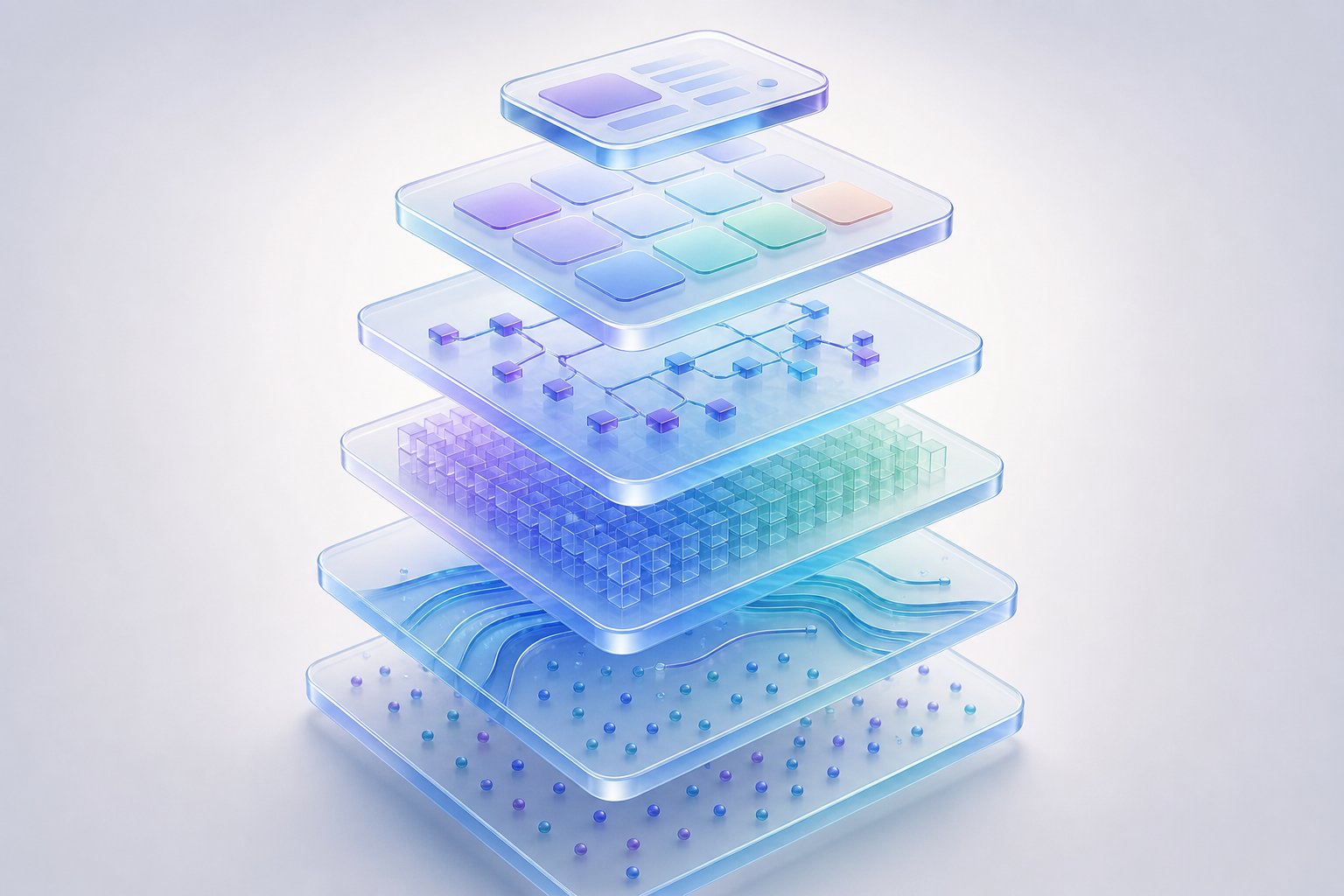
- Device and sensor layer. Bluetooth pairing, cellular-connected devices, manufacturer SDKs. Every model behaves slightly differently and firmware changes without asking you.
- Ingestion and normalization. Different units, different sampling rates, different timestamp conventions. This is where most of the unglamorous work lives.
- Storage. Time-series data with retention rules and an audit trail.
- Rules and alerting. Thresholds, trends, escalation paths. The hardest design problem in the system — see below.
- Clinician view. A worklist, not a dashboard. Clinicians triage; they do not browse.
- Patient app. Adherence lives or dies here. A patient who stops taking readings produces no data to monitor.
Where RPM builds actually go wrong
Rarely on the model or the device. Three failure modes account for most of it, and all three are design decisions rather than bugs.
Alert fatigue
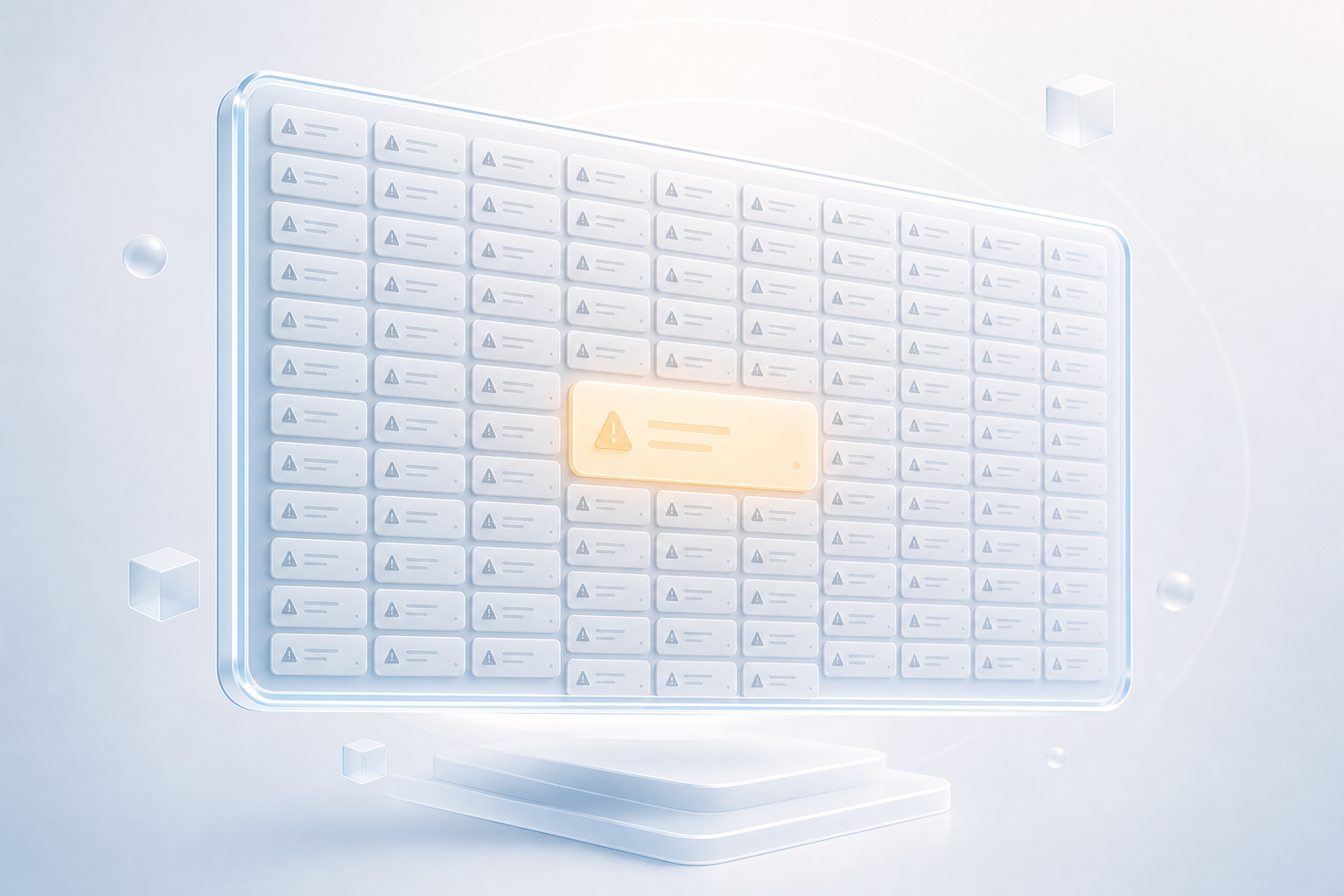
This is the one that kills programmes. Thresholds set conservatively generate constant alerts; clinicians learn to dismiss them; the one alert that mattered gets dismissed with the rest. Designing for a low false-positive rate is a clinical-safety requirement, not a UX preference — and it means trend-based and patient-baselined rules rather than fixed cutoffs.
Device heterogeneity
Supporting three device models is not three times the work of one; it is three vendors’ SDKs, three firmware-update cycles and three sets of edge cases. Decide early whether you are building a platform or an integration, and price accordingly.
Data that never reaches the chart
If readings live only in your dashboard, you have added a second place clinicians must look, which in practice means they do not. RPM data that is not written back to the record system is an operational burden rather than a clinical tool. This is why RPM projects turn into EHR integration projects — see our guide to EHR and EMR integration.
Where the regulatory line sits
Some RPM software is a regulated medical device and some is not, and the boundary moved recently. The FDA issued updated guidance on clinical decision support software in January 2026 that broadened the range of software falling outside the device definition.
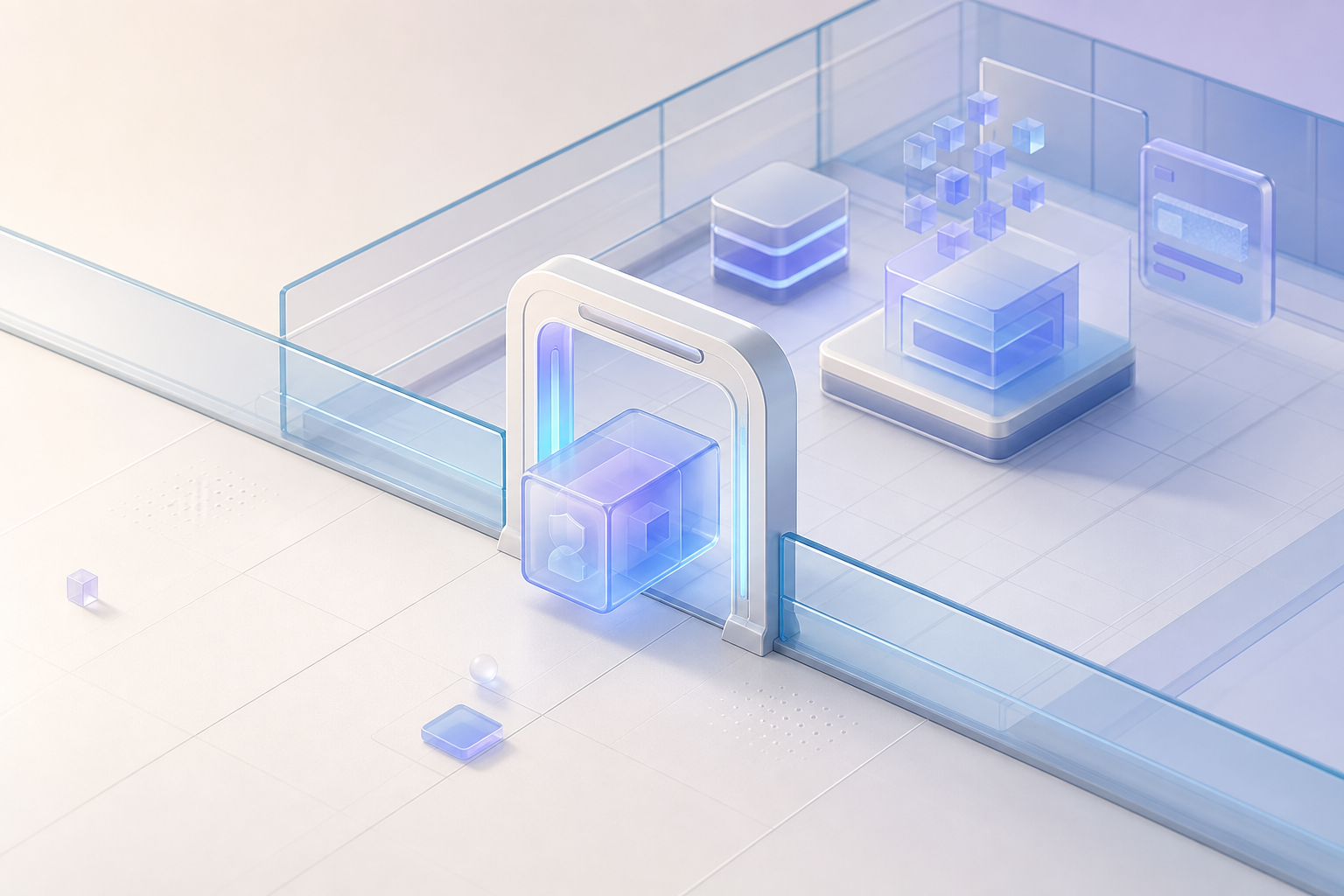
The statutory test has four parts. Software is generally outside the device definition when it does not acquire or process signals from an imaging or in-vitro diagnostic system; displays or analyses patient information or scientific data; provides recommendations to a healthcare professional; and lets that professional independently review the basis of the recommendation rather than relying primarily on it.
In practice that last clause does most of the work. A platform that shows a clinician the readings, explains why it flagged something, and leaves the judgment to them sits in very different territory from one that issues a diagnosis or drives treatment automatically.
This is orientation, not regulatory advice. Classification is fact-specific, it depends on your exact claims and intended use, and the answer changes if your product speaks to patients rather than clinicians. Get a regulatory opinion before you build on an assumption — and get it early, because it shapes architecture.
What it costs to build
Empat prices this the way the risk is actually distributed: AI-driven discovery from $5,000 (1–2 weeks) to pin down devices, data model, alerting approach and the regulatory question, then a proof of concept from $15,000 (2–4 weeks) against real device data. A launchable first version starts from $30,000.
RPM sits at the higher end of comparable builds, for three specific reasons: device integration is vendor work you do not control, alerting needs clinical input to tune, and the compliance surface is wider than a standard product. Anyone quoting RPM at the same rate as a straightforward web application has not scoped the device layer.
How we approach it
Empat has built products since 2013 — over 300 across 23 markets — and healthcare is among its strongest verticals. Dr. Alexa covers consultations, test ordering and prescriptions; VitalAI is the closest to continuous health data. We are HIPAA compliant and an AWS, Microsoft Azure and Google Cloud partner, which matters when the question is where patient data lands.
Delivery is AI-augmented — Claude Code, Cursor and Copilot in daily use, every line human-reviewed. Billing is transparent: no hidden infrastructure or onboarding fees, and utilization shared weekly.
Related: healthcare software development, healthcare app development, and the estimator for a range on your own build.
FAQ
What is remote patient monitoring?
Remote patient monitoring uses connected devices to collect health data from a patient outside a clinical setting and send it to their care team. Common readings include blood pressure, glucose, weight, pulse oximetry and heart rhythm. The goal is to surface a change early enough for a clinician to act on it.
What is the difference between remote patient monitoring and telehealth?
Telehealth is the umbrella term for care delivered at a distance. Telemedicine usually means a live consultation between clinician and patient. Remote patient monitoring is neither — it is asynchronous and continuous, collecting device readings unattended and alerting a clinician when something needs attention.
How much does it cost to build a remote patient monitoring system?
At Empat, discovery starts from $5,000 over one to two weeks, a proof of concept against real device data from $15,000 over two to four weeks, and a launchable first version from $30,000. RPM sits at the higher end of comparable builds because device integration, alert tuning and the compliance surface all add work a standard application does not have.
Does remote patient monitoring software need FDA clearance?
Sometimes. The FDA updated its clinical decision support guidance in January 2026, broadening what falls outside the device definition. Software that shows a clinician the data, explains why it flagged something and leaves the judgment to them is treated very differently from software that diagnoses or drives treatment. Classification depends on your specific claims and intended use, so get a regulatory opinion early — it shapes the architecture.


