

Software Development Consulting: What It Covers, When You Need It, and What It Costs
Software development consulting is expert, time-boxed work that produces a technical decision or plan — architecture, stack, audit, estimate — rather than the software itself. This guide covers what it includes, when it beats a full build, how it compares with CTO as a Service and a development partner, and what it costs.
Software development consulting is expert, time-boxed work that produces a technical decision or plan — an architecture, a stack choice, a code audit, an estimate and roadmap — rather than the finished software itself. You bring in a consultant when the cost of getting a decision wrong is higher than the cost of a few weeks of senior judgement.
This guide is for founders and engineering leads deciding whether they need consulting, a fractional CTO or a full development partner. It covers what consulting includes, when it beats going straight to a build, how it compares with the alternatives, what it costs, and how to make sure you get a usable deliverable rather than a slide deck.
The one-line answer: buy consulting when you need a decision you can defend, and insist the output is a written, decision-ready document. If you already know what to build and just need it built, go to a development partner instead.
What does software development consulting cover?
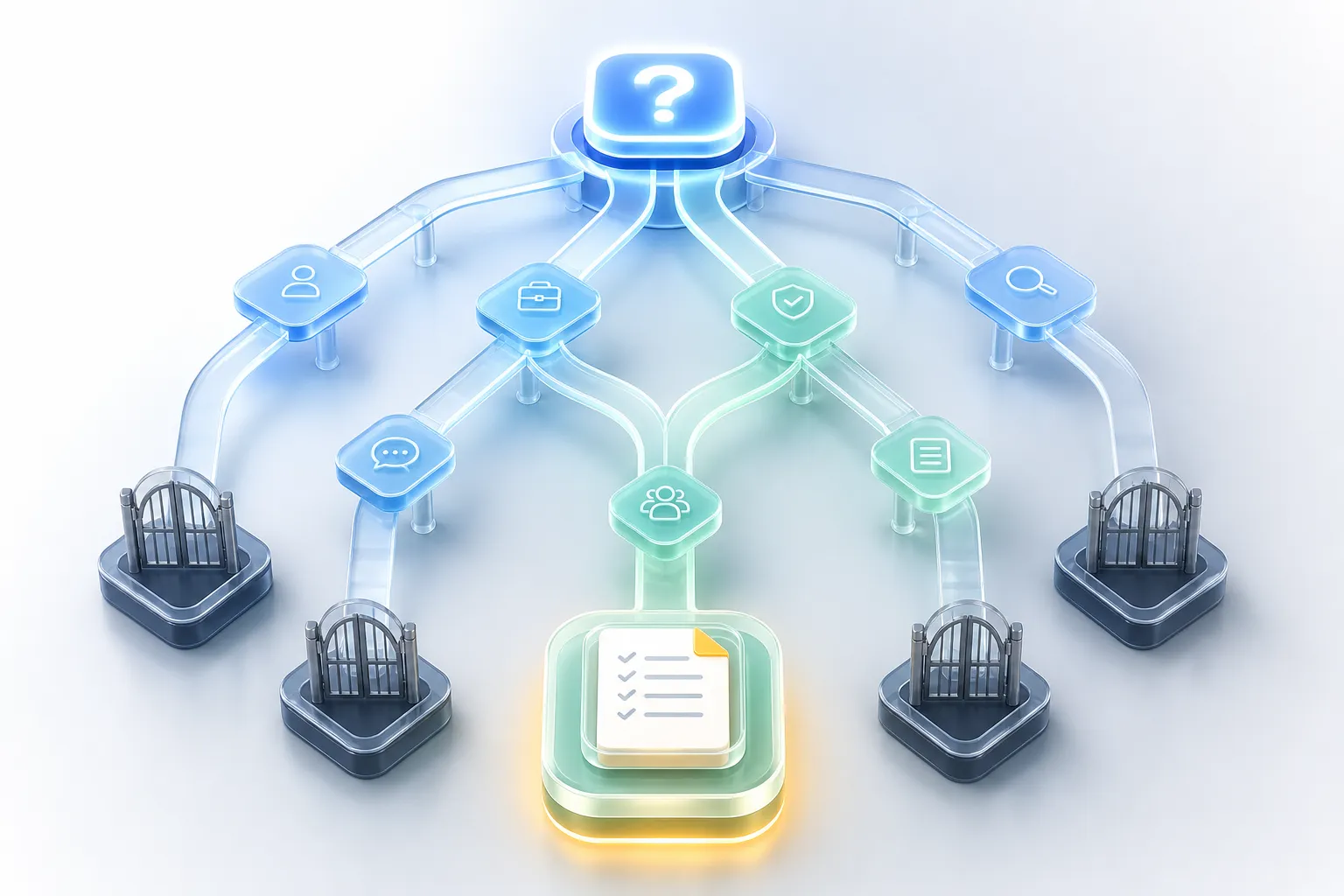
Software development consulting covers six common engagements: architecture review, tech-stack selection, code and quality audits, estimation and roadmapping, ongoing CTO-level advisory, and scaling or performance investigations. Each should end in a concrete artifact — a recommendation, a risk list, an estimate or a plan — that your team can act on without the consultant in the room.

A useful benchmark for architecture work is the AWS Well-Architected Framework, which structures reviews around operational excellence, security, reliability, performance efficiency, cost optimization and sustainability. A consultant doesn't have to follow it, but a review that ignores most of those areas is incomplete.
When should you hire a software consultant instead of a developer?
Hire a consultant when the question is what or whether to build, and a developer when the question is how fast. Typical triggers are a big architecture or stack decision, an inherited codebase you don't trust, a quote you can't evaluate, or a product that works in a demo but breaks under real users.
Consulting becomes a delay tactic when the decision is already clear and the engagement exists to postpone it. If a consultant proposes a second round of analysis without a specific open question, that's the signal to move to building.
Software consulting vs CTO as a Service vs a development partner
Consulting answers a bounded question and ends. CTO as a Service provides ongoing technical leadership part-time. A development partner builds and ships the product. They overlap at the edges, but they're bought for different reasons, and mixing them up usually means paying senior rates for work that doesn't need them.

For the leadership option in more depth, see our guides to CTO as a Service and fractional CTOs, and the startup-specific version at CTO as a Service for startups.
How much does software development consulting cost?
Consulting is priced either hourly or as a fixed-scope engagement with a defined deliverable. Fixed scope is usually better value because it forces a clear question and a clear output. At Empat, discovery and consulting engagements start from $5,000 for one to two weeks and end with a written recommendation.
The consulting fee is rarely the expensive part. The expensive part is building on a decision nobody checked. If you want a quick first estimate of the build that follows, our project cost calculator is a starting point.
What does a good consulting deliverable look like?
A good consulting deliverable is a short written document that states the question, the recommendation, the options that were considered and rejected, the reasons, the risks, and the next three steps with rough effort. Someone who wasn't on any of the calls should be able to read it and act on it.
If the deliverable is a slide deck with no written reasoning, or a list of findings with no priorities, the engagement has handed the hard part back to you.
How do you get real value from a software consultant?
You get value from a consultant by preparing the ground: one clear question, access to code and systems on day one, known constraints such as budget, deadline and compliance, and a named person who will act on the result. Without those, even a strong consultant spends the engagement discovering what you could have told them.
This matters beyond one engagement. Gartner's CIO research found that only 48% of digital initiatives meet or exceed their outcome targets, and that initiatives co-owned by technology and business leaders do markedly better. A consulting deliverable that the business side helped shape is far more likely to be acted on.
How do you vet a software development consultant?
Vet a consultant on evidence of hands-on building, not titles. Look for people who have shipped and run systems like yours, who can show a sample deliverable, who state trade-offs rather than a single right answer, who have no hidden incentive to sell you a build, and who are willing to say "don't build this".
Consulting for AI-generated codebases
A fast-growing share of consulting requests now concern codebases generated largely with AI coding tools. These products often reach a working demo quickly and then stall: features break each other, nobody can explain the structure, and every change takes longer than the last. The consulting question is whether to stabilize, refactor or rebuild.
The review looks at the same things as any audit — structure, test coverage, security, data model, dependencies — but with particular attention to duplicated logic, inconsistent patterns and missing tests, which AI-generated code tends to accumulate. The outcome is usually a staged plan: stabilize the parts users depend on, add tests around them, then refactor module by module rather than rewriting everything at once.
The same tools, used with engineering review, are also what make modern delivery faster. The difference is not whether AI wrote the code, but whether an engineer understood and reviewed it before it shipped.
How Empat approaches software development consulting
At Empat, consulting is run by the engineers who would otherwise build the system, led by our Head of Engineering. Engagements start with a scoped discovery from $5,000, end with a written recommendation, and are independent of whether we build afterwards — some end with "buy this tool" or "keep your current team and fix these three things".
Two kinds of consulting come up most often. The first is app development consulting before a new product — stack, architecture, scope and estimate. The second is rescue work on existing code, including AI-generated codebases that shipped fast and now can't be extended; that is our AI product rescue and software stabilization service. When the answer is to build, the same team can take it through product development or an MVP.
FAQ
What does a software development consultant do?
A software development consultant answers a specific technical question for your business — which architecture or stack to use, whether an existing codebase is sound, what a project should cost, or why a system is slow — and delivers a written recommendation your team can act on. Unlike a developer, the consultant's output is a decision or plan rather than the software itself.
How much does software development consulting cost?
It is priced hourly, as a fixed-scope engagement or as a retainer. Fixed scope is usually the best value for reviews, audits, estimates and stack decisions because it forces a clear question and a defined deliverable. At Empat, discovery and consulting engagements start from $5,000 for one to two weeks and end with a written recommendation.
When should a startup hire a software consultant instead of a developer?
A startup should hire a consultant when the open question is what or whether to build — a major architecture or stack choice, an inherited codebase it doesn't trust, vendor quotes it can't compare, or a product failing under real users. If the scope is already clear and the team simply needs capacity, hiring developers or a development partner is the better use of budget.
What is the difference between software consulting and CTO as a service?
Software consulting is a bounded engagement that answers one question and ends with a deliverable, usually within a few weeks. CTO as a Service provides ongoing, part-time technical leadership — regular decisions, hiring and vendor reviews, and roadmap ownership — for companies that need a CTO's judgement repeatedly but aren't ready to hire one full-time.


